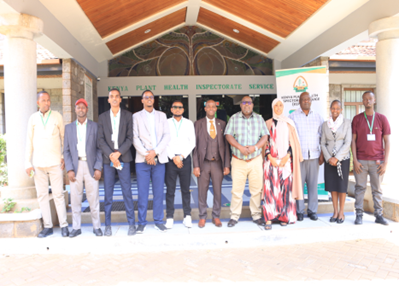
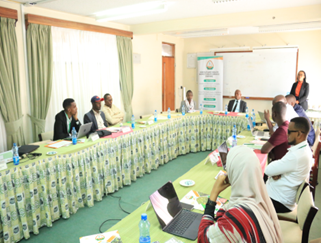
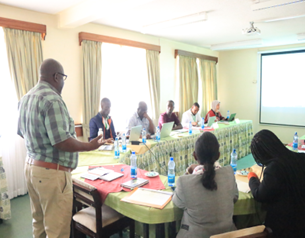
Training of Mozambique National Seed Authority Technical Staff on Seed Certification Processes
In November 2025, the Centre of Phytosanitary Excellence (COPE) hosted a comprehensive five-day training for the Mozambique National Seed Authority technical staff. Held at KEPHIS Headquarters and KEPHIS Nakuru, the sessions focused on seed certification processes, variety testing, quality assurance, and documentation requirements. Participants were guided by KEPHIS experts through inspection protocols, import and export certification procedures, and ethical considerations in seed regulation.
The program combined theory with practical exposure, including field visits, laboratory demonstrations, and interactions with seed processing facilities. The trainees actively engaged in discussions and hands-on exercises, gaining valuable insights into seed sampling, purity testing, germination analysis, and post-control activities. By the end of the course, the team expressed confidence in applying international best practices to strengthen Mozambique’s seed regulatory system.
Training of Regional Seed Staff and Department of Plant Science and Crop Protection, University of Nairobi Held On 13th October 2025 At KEPHIS Nakuru
In October 2025, the Centre of Phytosanitary Excellence (COPE) conducted a training on OECD Seed Certification Protocols and ISTA Laboratory Seed Testing Standards in Asmara, Eritrea. The 5-day training, held from 20th to 24th October, brought together nine participants drawn from the Regulatory Services Department, the National Agricultural Research Institute (NARI), and the Extension Department. The sessions combined theoretical presentations and practical demonstrations on seed sampling, purity analysis, germination, and moisture testing. The participants engaged actively, sharing experiences from their respective departments and discussing challenges faced in seed certification and testing. The interactive sessions emphasized the importance of adopting international standards to enhance seed quality assurance in Eritrea. By the end of the training, participants had gained valuable skills and a deeper understanding of OECD and ISTA protocols, fostering a strong commitment to strengthen the country’s seed regulatory system.
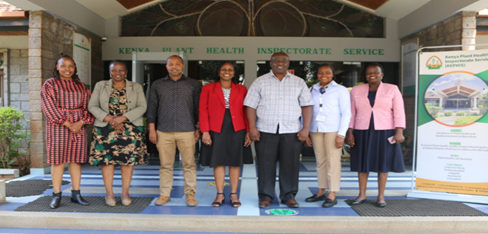
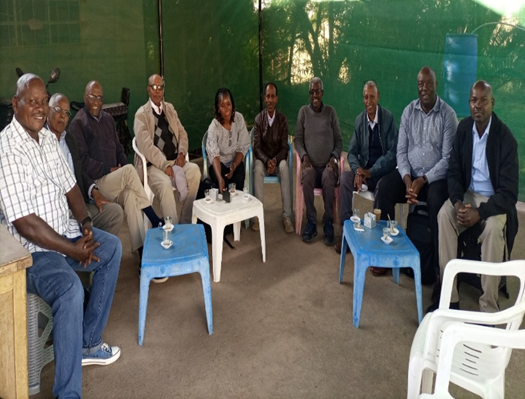
Training on Implementation of ISO 17025:2017 Standard for Kenya Marine and Fisheries Research Institute (KMFRI)
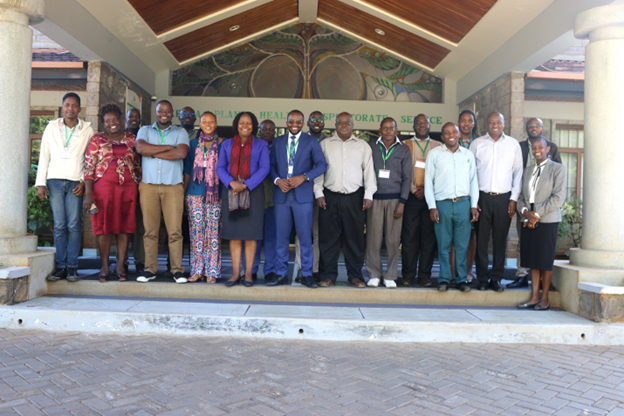
From February 24th to 28th, 2025, the Center of Phytosanitary Excellence (COPE) held a one-week training on the implementation of ISO 17025:2017 for KMFRI staff at KEPHIS HQ. The training comprised both theoretical and practical sessions.
Trainees were guided through theory and hands-on exercises on implementation of the ISO 17025:2017 standard. They learned about content selection, verification, validation, and the measurement of uncertainty. At the end of the training, participants were awarded certificates in recognition of their successful completion of the training.
This training highlighted COPE’s vital role in building phytosanitary capacity by equipping the trainees with the necessary skills to enhance laboratory quality management and compliance with international standards.
Regional Training for Rose Growers on EU Compliance and Systems Approach
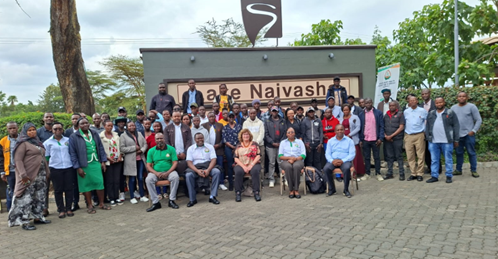
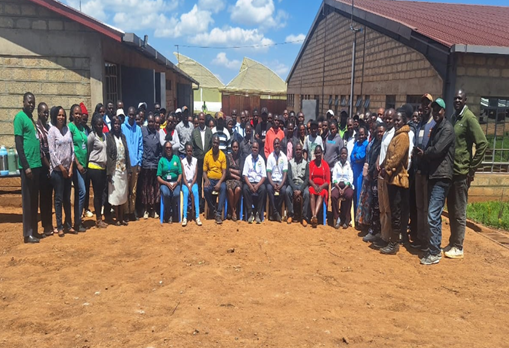
In the month of September 2025, COPE, with the support of the Horticulture Compliance Project, conducted a training on the Systems Approach and Compliance to EU Regulations for rose cut-flower growers in various regions. The sessions, which combined both theoretical and practical components, were held at Lake Naivasha Resort and Lakeside Hotel on 11th and 12th September respectively, attended by a total of 109 participants; Nakuru on 11–12 September attended by 116 participants; Laikipia (Rumuruti) on 16 September attended by 30 participants; Timau on 17 September with 84 participants; Eldoret on 17 September with 33 participants; Nairobi (Isinya) on 18 September with 32 participants; and Nairobi (Thika) on 18–19 September attended by 52 participants.
The objective of the training was to build the capacity of growers on the False Codling Moth Systems Approach (FCMSA), share compliance requirements under EU regulations, and prepare the industry for the upcoming DG SANTE audit scheduled for October 2025. Presentations covered interception and rejection trends, root cause analysis, greenhouse integrity, packhouse quality control, and risk profiling.
The sessions were highly interactive, with farmers sharing practical measures like vent blocking, greenhouse checks, sanitation schedules, and staff motivation. Participants agreed that compliance is a shared responsibility requiring teamwork and proactive action.
The deputy directors urged participants to become agents of change by applying the lessons learned to safeguard Kenya’s rose export market.
Naivasha
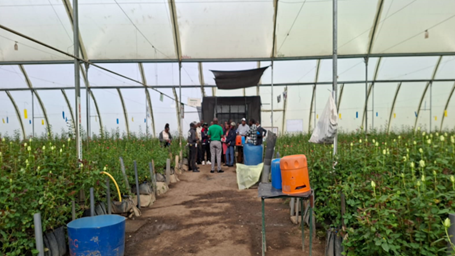
Nakuru
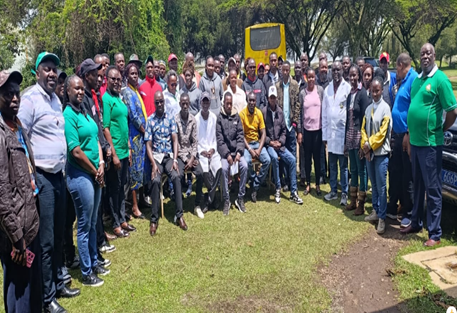
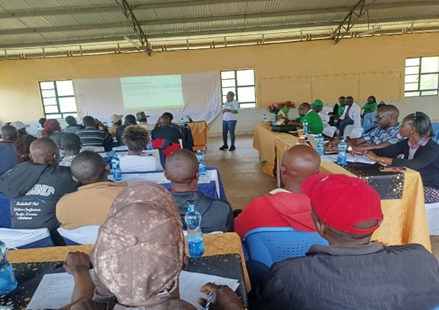
Laikipia, Rumuruti
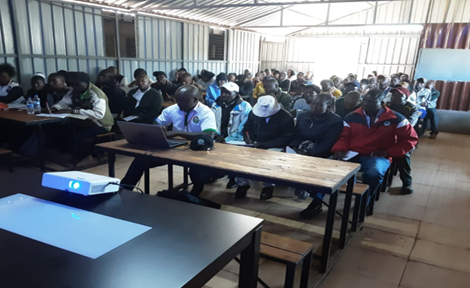
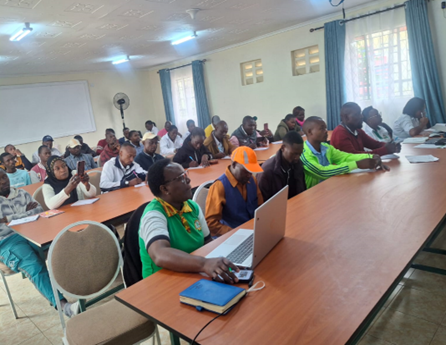
Timau
Training on Seed Traceability and Certification for SARIS Inspectors under SSG
From January 13th to 24th, 2025, the Center of Phytosanitary Excellence (COPE) held a two-week training on seed traceability and certification systems for six SARIS. Held at KEPHIS HQ and Nakuru, the training included theoretical sessions and hands-on fieldwork on seed certification, quality assurance, and automation.
Field visits to ISTA-accredited labs and private seed facilities in Nakuru offered practical experience. This training enhanced participants' skills to strengthen seed systems and concluded with certificate awards, showcasing COPE’s dedication to building regional phytosanitary capacity.